


P-Shocks: Potential Benefits and Evidence Limits

Updated: Aug 19
P-Shocks therapy is gaining attention as a under investigation treatment option for various health concerns. This innovative therapy uses shockwave technology to stimulate healing and improve bodily functions. In this article, we will explore what P-Shocks therapy is, its benefits, how it works, and practical advice for those considering this treatment. Whether you are curious about the science behind it or want to understand its potential applications, this guide will provide clear and useful information.
What is P-Shocks Therapy?
P-Shocks therapy, also known as shockwave therapy, involves delivering controlled acoustic waves to targeted areas of the body. These waves create microtrauma that encourages the body’s proposed biological responses. Originally developed for treating musculoskeletal conditions, P-Shocks therapy has expanded into other fields, including urology and sexual health.
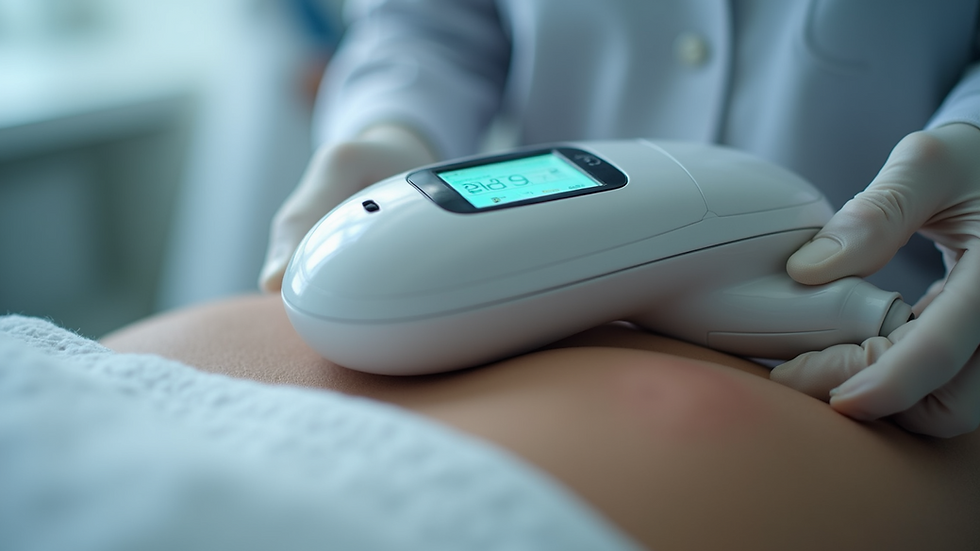
The therapy is non-invasive and typically performed in a clinical setting. A handheld device emits the shockwaves, which penetrate the skin and tissues without causing significant discomfort. Sessions usually last between 15 to 30 minutes, and multiple treatments may be recommended depending on the condition being treated.
Understanding P Shocks Benefits
The benefits of P-Shocks therapy are wide-ranging and supported by growing clinical evidence. Here are some of the key advantages:
Improved Blood Flow: Shockwaves stimulate the formation of new blood vessels, enhancing circulation in the treated area. This is particularly beneficial for conditions related to poor blood flow.
Pain Reduction: By promoting tissue repair and reducing inflammation, P-Shocks therapy can alleviate chronic pain, especially in joints and muscles.
Enhanced Tissue Regeneration: The microtrauma caused by shockwaves triggers the body’s repair mechanisms, leading to faster healing of damaged tissues.
Non-Invasive and Safe: Unlike surgical options, P-Shocks therapy does not require incisions or anesthesia, reducing risks and recovery time.
Potential Sexual Health Improvements: In urology, P-Shocks therapy has shown promise in treating erectile dysfunction by improving penile blood flow and nerve function.
For example, patients with plantar fasciitis or tennis elbow have reported significant pain relief and improved mobility after a series of shockwave treatments. Similarly, men experiencing mild to moderate erectile dysfunction have found P-Shocks therapy to be a viable alternative to medication.
How Does P-Shocks Therapy Work?
The mechanism behind P-Shocks therapy involves the delivery of high-energy acoustic waves to the affected tissues. These waves create mechanical stress that stimulates cellular activity. Here’s a step-by-step explanation:
Application: The therapist applies a gel to the skin to ensure efficient transmission of shockwaves.
Emission: The device emits focused shockwaves directed at the target area.
Microtrauma Induction: The shockwaves cause controlled microtrauma, which is not harmful but enough to activate healing.
Biological Response: The body responds by increasing blood flow, releasing growth factors, and produce proposed local biological responses.
Tissue Repair: Over time, damaged tissues regenerate, inflammation decreases, and pain subsides.
This process can take several weeks, with improvements often noticed after a few sessions. The therapy is tailored to individual needs, with adjustments in intensity and frequency based on the patient’s response.

Practical Applications and Recommendations
P-Shocks therapy is versatile and can be applied to various conditions. Here are some common uses and practical tips:
Musculoskeletal Disorders: Conditions like plantar fasciitis, tendinitis, and calcific shoulder tendinopathy respond well to shockwave therapy. Patients should expect multiple sessions spaced a week apart.
Sexual Health: For erectile dysfunction, P-Shocks therapy can be combined with lifestyle changes such as exercise and diet for better results.
Sports Injuries: Athletes use shockwave therapy to speed up recovery from muscle strains and ligament injuries.
Chronic Pain Management: Those with persistent joint or muscle pain may find relief without relying on long-term medication.
When considering P-Shocks therapy, it is important to consult a qualified healthcare provider. They will assess your condition, discuss potential benefits and risks, and design a treatment plan. Avoid self-treatment or unverified clinics to ensure safety and effectiveness.
For those in the UK, especially London, exploring options like p-shocks london can provide access to experienced practitioners and state-of-the-art equipment.
What to Expect During and After Treatment
Understanding the treatment process helps set realistic expectations. Here’s what typically happens:
Before Treatment: The area is cleaned, and a gel is applied to facilitate shockwave transmission.
During Treatment: You may feel a tapping or slight discomfort, but it is generally well tolerated.
After Treatment: Some mild redness or swelling can occur but usually resolves quickly.
Follow-Up: Multiple sessions are often needed, with noticeable improvements after 3 to 6 treatments.
Patients are advised to avoid strenuous activity immediately after therapy and to follow any specific instructions from their therapist. Combining P-Shocks therapy with physical therapy or other treatments can enhance outcomes.
Future Directions and Research
Research into P-Shocks therapy continues to expand, with under investigation developments on the horizon. Scientists are exploring its use in:
Wound Healing: Accelerating recovery of chronic wounds and ulcers.
Neurological Conditions: Potential benefits in nerve regeneration and pain modulation.
Cosmetic Applications: Skin tightening and cellulite reduction.
Ongoing clinical trials aim to refine protocols and confirm long-term safety and efficacy. As evidence grows, P-Shocks therapy may become a standard option for a broader range of health issues.
Exploring P-Shocks therapy reveals a treatment with diverse benefits and growing clinical support. Whether addressing pain, improving circulation, or enhancing sexual health, this non-invasive approach offers hope for many patients. If you are considering this therapy, seek professional advice and explore reputable providers to experience the possible role of P Shocks benefits.
Related guides
Medical review and evidence
Medically reviewed by Dr Fabio Castiglione, Consultant Urologist and Andrologist. Last reviewed: 19 August 2026.
Low-intensity shockwave therapy may provide a mild improvement for selected men with vasculogenic erectile dysfunction; the recommendation is weak and outcomes vary.
This article is for general education and is not a diagnosis or individual medical recommendation. A consultation should review medical and sexual history, current medicines, examination findings and tests when clinically indicated.
Clinical sources
About the author
Dr Fabio Castiglione
Consultant Urologist and Andrologist in London. Holistic Andrology, 9 Harley Street, London W1G 9QY.
GMC reference number: 7541824
ORCID: https://orcid.org/0000-0001-8046-1963


Comments